

Blog
Kohati Chappal: Design, Price in Pakistan & How It Differs from Peshawari

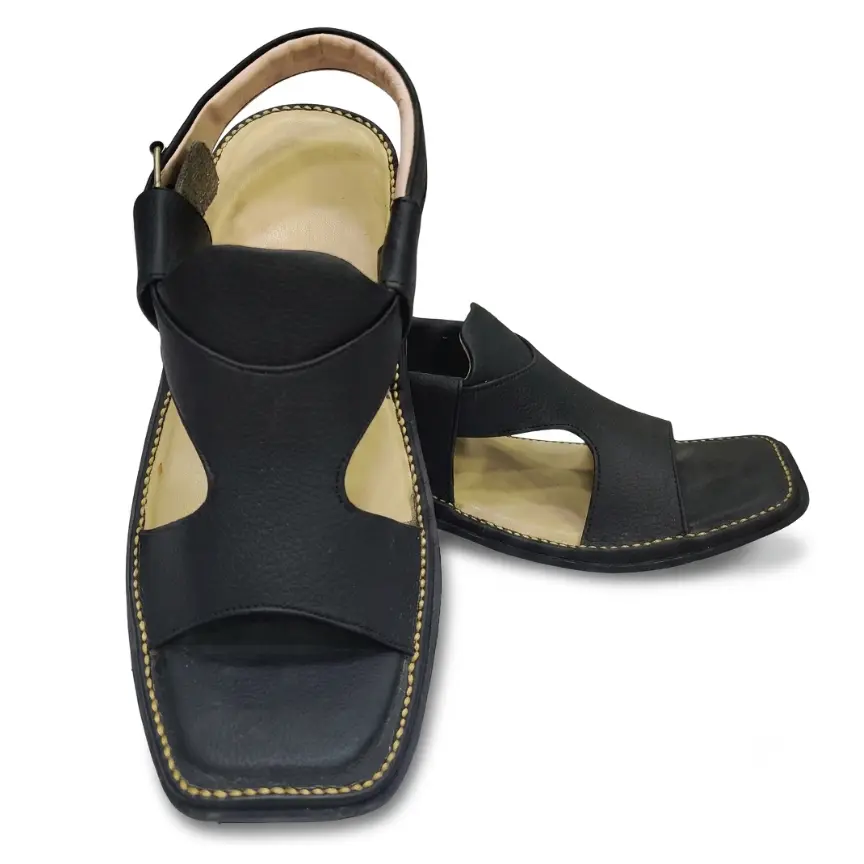
The Kohati chappal is one of the oldest names in traditional Pakistani footwear. Many buyers search for it and then get confused, because the same style is also sold as Peshawari chappal, Chakwali chappal or kheri. So what is a Kohati chappal, how is its design different, and what should you pay for a genuine leather pair in 2026? This guide explains it in simple words.
Quick answer: A Kohati chappal is a handmade leather chappal from the same family as the Peshawari chappal (kheri), named after Kohat, one of the main production centres. A good handmade leather pair usually costs around Rs 4,000 to Rs 6,000, while special custom pairs can cost more. At Pukhta, Kohati style chappals start from Rs 3,999 with Cash on Delivery.
What Is a Kohati Chappal?
“Kheri” is the traditional name for the leather sandal that most people today call the Peshawari chappal. According to its history, the kheri started in the hill areas of northern Punjab and was later named after the cities where it was made in large numbers. Kohat in Khyber Pakhtunkhwa is one of those centres, which is why the name Kohati chappal is still used, especially in Kohat, Chakwal, Attock and the Potohar region.
A report by Dawn on chappal makers in Chakwal noted that the Kohati name comes from Kohat, but versions made in Chakwal and Attock have become very well known too. The same report mentioned that many local makers prefer leather soles, which they feel have more appeal than tyre soles.
So in simple words: a Kohati chappal is not a completely different shoe. It is a regional style of the same traditional chappal, with its own small design habits.
Kohati Chappal Design: What to Look For
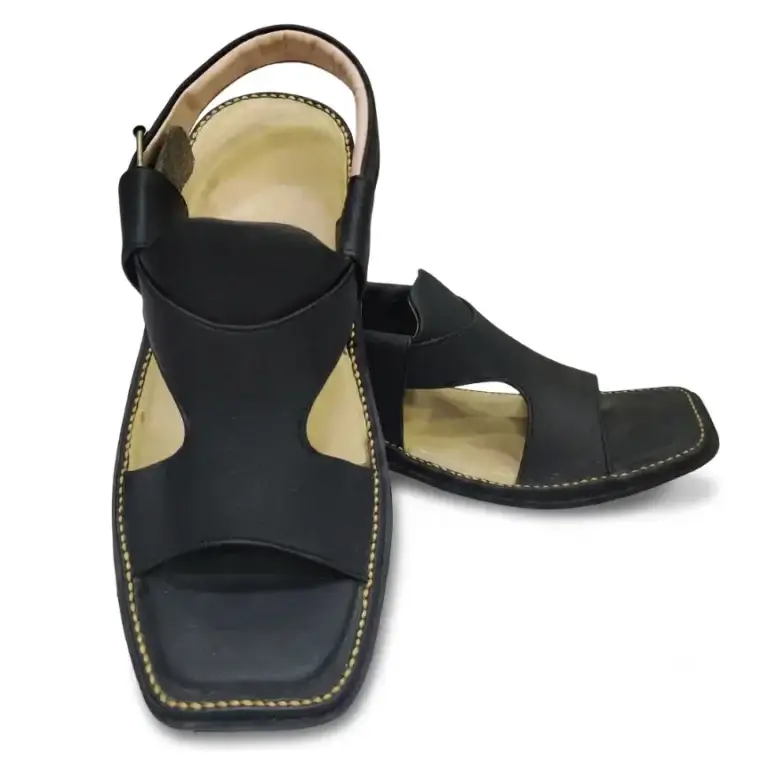
Every maker has their own touch, but a Kohati chappal design usually has these features:
- Open toe front with crossed or layered straps, like the classic Peshawari style.
- Heel strap with a buckle so the chappal sits firmly on the foot.
- Textured or stitched leather on the upper, such as danedar (grain) patterns.
- Strong stitching along the sole, because these chappals were made for walking on rough hilly ground.
- Classic colours like black, brown, mustard, cream and golden brown.
At Pukhta, our Kohati collection uses the Panjedar pattern in Zalmi, Charsadda and Danedar variations, so you get the traditional look with a few modern colour options.
Kohati vs Peshawari Chappal: The Difference
This is the most common question. Here is an honest, simple comparison:
| Kohati chappal | Peshawari chappal | |
|---|---|---|
| Name comes from | Kohat (also made in Chakwal and Attock) | Peshawar |
| Family | Traditional kheri | Traditional kheri |
| Typical look | Classic, simple, rugged | Wide range, from simple to highly decorated |
| Sole | Leather or rubber, often stitched | Leather, rubber or tyre sole, single or double |
| Best for | Daily wear, shalwar kameez, walking | Daily wear, Eid, weddings, formal events |
In short, the Peshawari chappal is the bigger umbrella name, and the Kohati chappal is one regional style inside it. If you want to see all the main styles side by side, read our guide to Peshawari chappal designs and prices.
Kohati Chappal Price in Pakistan 2026
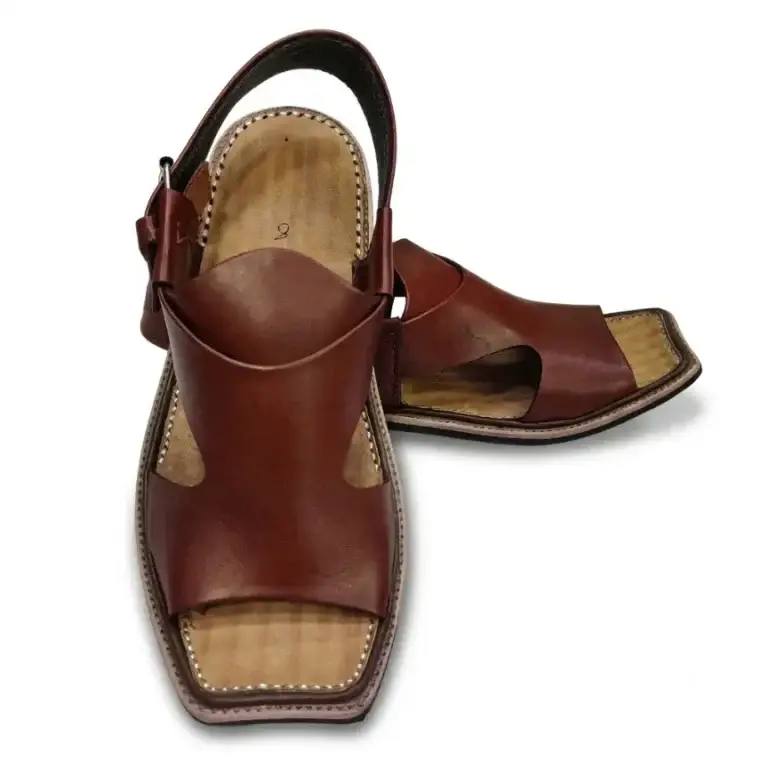
The price of a Kohati chappal depends on three things: leather quality, sole type and how much handwork is done on it.
- Machine made or synthetic copies: often under Rs 2,500. These look fine on day one but usually crack or peel quickly.
- Handmade genuine leather: around Rs 4,000 to Rs 6,000 for most styles.
- Custom or special order pairs: more. For example, the Dawn report mentioned a pair made to order in Attock for Rs 8,000.
Pukhta Kohati and Panjedar style chappals are currently Rs 3,999, handmade in genuine leather, with free delivery across Pakistan.
Popular Kohati Chappal Colours and How to Wear Them
Black
The safest choice. Black goes with white, grey, navy and black shalwar kameez and looks good at Jumma, office and weddings.
Mustard and Golden Brown
The most traditional Kohati look. Mustard and golden brown work best with white, off-white, cream and light brown kameez, and they are very popular for Eid.
Cream and White
Fresh and modern, ideal for summer and for light coloured outfits. They need a little more care to stay clean.
Brown
Easy to match with almost everything, and it hides dust better than lighter colours, so it is great for daily use.
How to Choose the Right Kohati Chappal
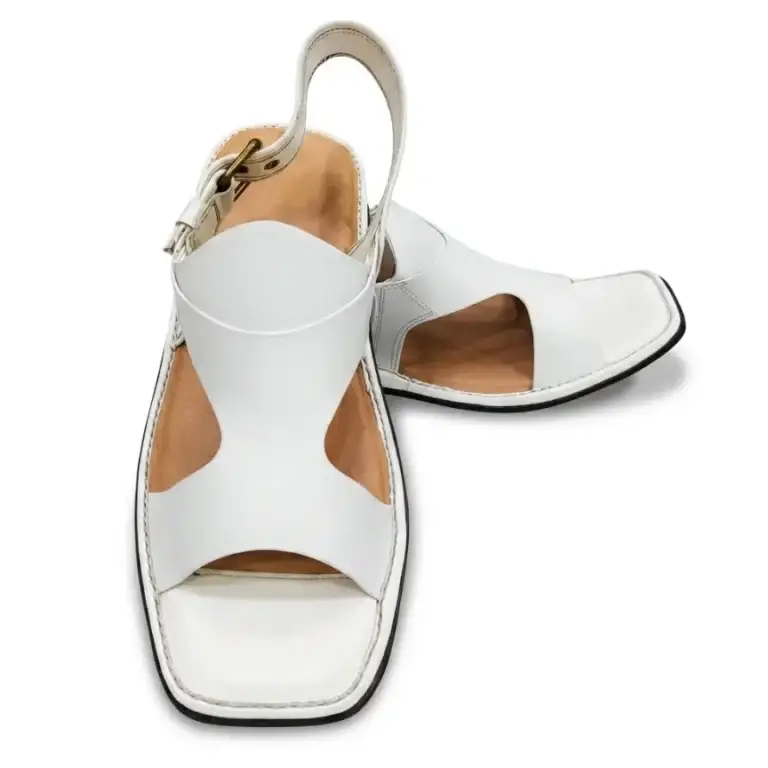
- Decide where you will wear it most. Daily wear needs a comfortable, light chappal. Weddings and Eid can take a bolder colour.
- Check the leather. Real leather has a natural smell and small marks in the texture. Plastic leather looks too perfect and smells like plastic.
- Check the stitching. Tight, even stitches along the sole edge mean the chappal will hold together for longer.
- Pick the right size. A new leather chappal should feel snug but not tight. It softens and loosens a little in the first one to two weeks.
- Buy from a seller who offers exchange. If the size is wrong, you should be able to change it easily.
Kohati Chappal for Different Occasions
One of the best things about the Kohati chappal is how many places you can wear it. For daily wear, choose black, brown or a danedar texture that hides dust. For Jumma, a clean black or cream pair with a white kameez looks neat. For Eid, mustard or golden brown gives the classic festive look, and for weddings you may want to compare it with a double sole Kaptaan chappal for a more formal finish.
How to Care for Your Kohati Chappal
- Wipe it with a soft dry cloth after use to remove dust.
- Use a little leather polish or conditioner every few weeks so the leather does not dry and crack.
- If it gets wet, let it dry in the shade. Do not dry leather in direct sun.
- Keep it in a cool, dry place, ideally in a cloth bag.
If you also like fuller, more covered designs, see our Norozi kheri guide, which compares single and double sole options.
Frequently Asked Questions
Is Kohati chappal the same as Peshawari chappal?
They belong to the same family of traditional leather chappals called kheri. Kohati is a regional name linked to Kohat, while Peshawari is the wider name used across Pakistan.
Where are Kohati chappals made?
The name comes from Kohat in Khyber Pakhtunkhwa, but these chappals are also widely made in Chakwal, Attock and Peshawar.
What is the price of a Kohati chappal in Pakistan?
Most handmade leather Kohati chappals cost around Rs 4,000 to Rs 6,000. At Pukhta, Kohati style chappals are Rs 3,999 with free delivery and Cash on Delivery.
Are Kohati chappals good for daily use?
Yes. They were made for walking on rough ground, so a well made leather pair is strong enough for daily wear.
Which colour Kohati chappal should I buy first?
Black or brown is the safest first pair because it matches most shalwar kameez colours. Mustard is the best choice for a traditional Eid look.
Buy Handmade Kohati Chappal Online
Pukhta chappals are handmade in Peshawar from genuine leather. Browse the full Kohati chappal collection, or compare with our Panjedar chappals, Charsadda chappals and Peshawari chappals. Every order comes with Cash on Delivery, free delivery across Pakistan in 2 to 4 days, and an easy 7-day exchange.